

Living near the water is a dream for many buyers — beautiful views, fresh air, boating access, and a sense of calm that’s hard to replicate anywhere else. Over the years, I’ve helped many buyers navigate waterfront and water-adjacent purchases along Lake St. Clair and surrounding communities, and while the lifestyle is incredible, there are also important practical considerations to understand before buying.
This guide walks through what I share with my own clients so they can make confident, informed decisions.
The Lifestyle Benefits of Living Near the Water
One of the biggest advantages of waterfront living is daily connection to the outdoors. Many homeowners enjoy:
- Sunrise and sunset views over the lake
- Boating, paddleboarding, and kayaking
- Wildlife sightings and seasonal changes
- Breezes and open sky views
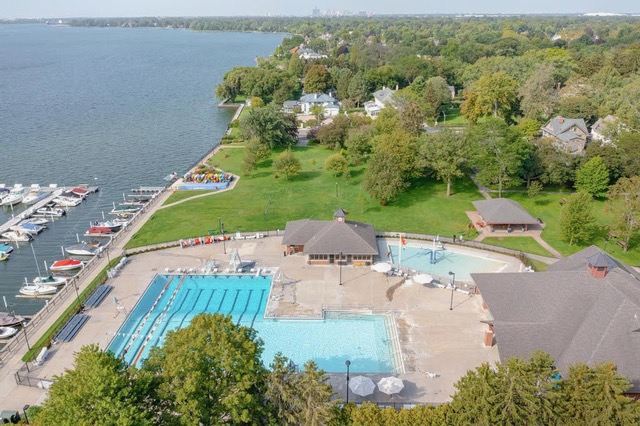
Even homes that aren’t directly on the water often benefit from proximity to marinas, parks, and scenic walking routes.
Insurance and Flood Considerations
Water proximity can affect insurance requirements and premiums. I always recommend reviewing:
- Whether a property is located in a designated flood zone
- Flood insurance requirements or optional coverage
- Elevation certificates if applicable
- Coverage limits for waterfront structures and docks
Not all water-adjacent homes require flood insurance, but it’s important to confirm early in the process so there are no surprises later.
Maintenance Realities Near the Lake
Homes near water experience unique wear patterns due to wind, moisture, and seasonal weather shifts. I advise buyers to plan for:
- Exterior maintenance and repainting cycles
- Window and door sealing
- Deck, dock, and seawall upkeep
- Drainage and grading checks
- Winterization procedures
Routine preventative maintenance goes a long way in protecting long-term value.

Beautiful sunset on Payette Lake
Seawalls, Docks, and Waterfront Structures
If a property includes a seawall or dock, I encourage buyers to understand:
- Age and condition of the structure
- Maintenance responsibilities
- Permitting requirements for repairs or upgrades
- Seasonal installation and removal considerations
- Access rights and setbacks
These features add tremendous lifestyle value but should be evaluated carefully during inspections.
Utilities and Infrastructure Considerations
Some waterfront homes may have additional systems or unique infrastructure considerations such as:
- Sump pumps and backup systems
- Drainage solutions
- Specialty electrical or lighting features
- Irrigation systems
- Water management equipment
I often recommend sewer scopes and thorough inspections to confirm long-term reliability.
Seasonal Living on the Lake
Lake living changes beautifully throughout the year. Summers bring activity and outdoor enjoyment, while fall and winter bring quieter beauty and a different rhythm of maintenance. Buyers who appreciate seasonal variation tend to enjoy the full experience more fully.
Planning for snow management, winter access, and seasonal protection measures helps ensure year-round comfort.
Resale Value and Long-Term Perspective
Waterfront and water-adjacent properties tend to maintain strong long-term appeal due to limited inventory and consistent demand. Proper maintenance and thoughtful improvements protect both lifestyle enjoyment and resale value over time.
Why Local Experience Matters
Every stretch of shoreline behaves differently. Wind patterns, water levels, soil conditions, and municipal regulations vary by location. My role is to help buyers understand how a specific property functions — not just how it looks on a sunny showing day.
FAQs
Are seawall repairs expensive?
Costs vary widely depending on materials, access, and scope. Inspections help clarify potential expenses.
Can docks stay in year-round?
Many docks are removed seasonally depending on design and weather exposure.
Is waterfront maintenance significantly higher?
Maintenance can be slightly higher due to exposure, but proper planning keeps it manageable.