
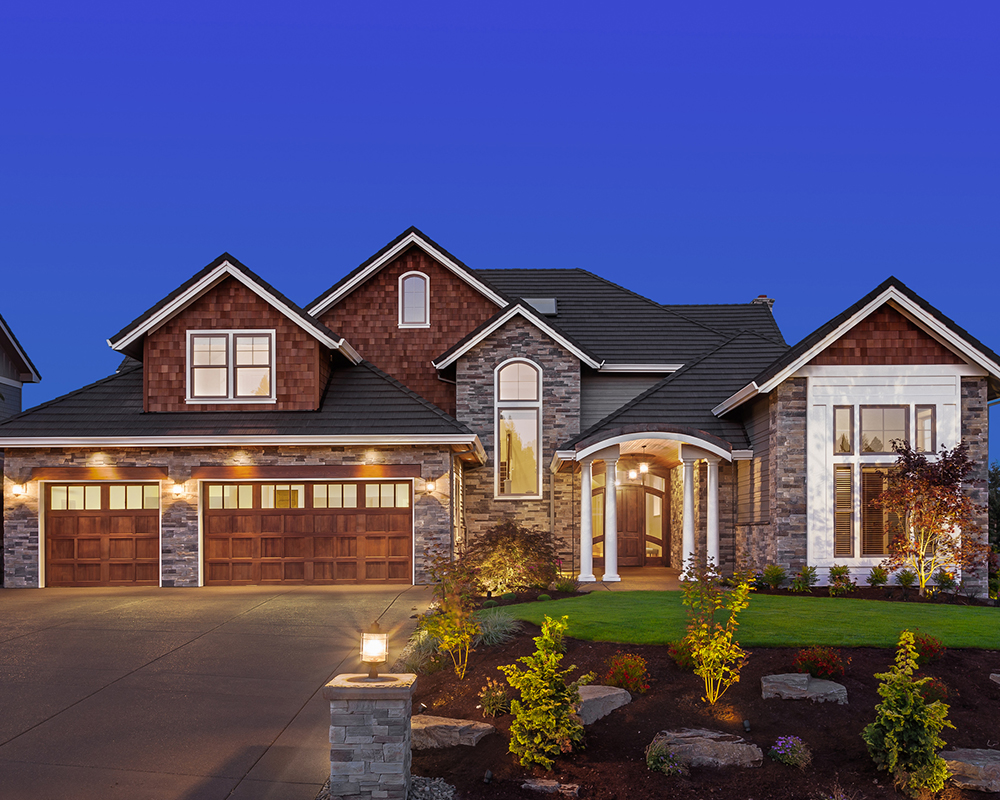
When buyers search for a home in Grosse Pointe, the purchase price is only part of the financial picture. Ongoing ownership costs — including property taxes, utilities, insurance, and maintenance — play a significant role in long-term affordability and planning.
Understanding these expenses upfront helps buyers budget realistically and avoid surprises after closing. This guide breaks down the most common ownership costs so you can make informed decisions.
Property Taxes in Grosse Pointe
Property taxes in Michigan are based on a millage rate applied to a property’s taxable value. While the math can feel intimidating at first, the key takeaway is that taxes are influenced by:
- Purchase price and assessed value
- Local millage rates
- Whether the home is a primary residence or secondary property
- Future assessment adjustments
Many buyers experience a change in taxable value after purchase due to Michigan’s assessment process. Planning for potential increases is wise when budgeting long-term.
Because tax rates vary by municipality and property characteristics, buyers should review projected taxes carefully with their lender and local professionals.
Utilities and Monthly Operating Costs
Utility expenses vary based on home size, age, insulation, and personal usage patterns. Typical utility categories include:
- Electricity
- Natural gas or heating fuel
- Water and sewer
- Trash and recycling
- Internet and cable services
Older homes may require additional energy efficiency upgrades, while newer mechanical systems can reduce long-term operating costs. Seasonal fluctuations are normal, with higher heating usage in winter and increased cooling in summer.

real estate agent Delivering sample homes to customers, mortgage loan contracts. Make a contract for hire purchase and sale of a house. and home insurance contracts, home mortgage loan concepts
Home Insurance Considerations
Home insurance premiums depend on several factors, including:
- Replacement cost of the structure
- Age of mechanical systems and roof
- Proximity to water
- Coverage limits and deductibles
- Personal insurance history
Homes closer to Lake St. Clair or with certain structural features may require additional coverage considerations. Working with a knowledgeable local insurance provider helps ensure appropriate protection without overpaying.
Maintenance and Long-Term Care
Every home requires ongoing care. Budgeting for routine maintenance helps protect property value and prevent unexpected expenses. Common categories include:
- HVAC servicing
- Roof and exterior upkeep
- Plumbing and electrical systems
- Landscaping and snow removal
- Appliance replacement
- Interior updates and repairs
Many homeowners follow a rule of thumb of budgeting 1–2% of the home’s value annually for maintenance, though older homes or historic properties may require more proactive planning and occasionally, a higher percentage budgeted.

inspector or engineer is inspecting construction and quality assurance new house using a checklist. Engineers or architects or contactor work to build the house before handing it over to the homeowner
Additional Ownership Costs to Consider
Beyond the basics, buyers may encounter:
- Homeowner association fees (if applicable)
- Security systems or smart home subscriptions
- Water softeners or filtration systems
- Dock or waterfront maintenance for lake-adjacent properties
- Permitting and compliance costs for renovations
Understanding these line items prevents surprises and supports confident decision-making.
Why Total Cost Matters More Than Purchase Price
Two homes with the same purchase price can have dramatically different monthly ownership costs depending on taxes, efficiency, insurance, and maintenance. Smart buyers evaluate affordability holistically rather than focusing only on mortgage payments.
This approach creates stronger long-term financial stability and peace of mind.
FAQs
Are utilities higher in older homes?
Older homes may have higher energy usage depending on insulation, windows, and mechanical systems, though many have been upgraded over time.
Is waterfront insurance more expensive?
Insurance premiums can vary based on proximity to water and coverage requirements.
How much should I budget for maintenance?
Many homeowners allocate 1–2% of the home’s value annually, adjusting based on age and condition.